Table of Contents
- Early Evaluation Sets The Foundation
- The Best Age For Braces
- Why Time Is More Important For Your Orthodontic Procedure
- Understanding Two-Phase Treatment
- The Benefits Of Early Intervention
- Signs Your Child May Need Braces
- Changes In Treatment Methods
- Food And Daily Habits During Treatment
- Being Physically Active When Wearing Braces
- Making The Right Decision For Your Child
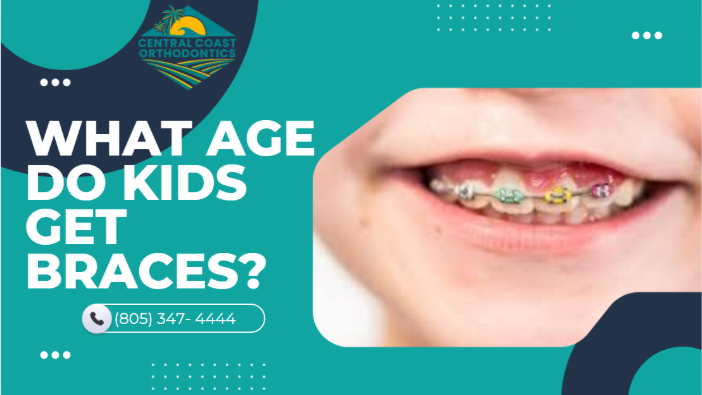
Parents often ask “At what age kids get braces?”. It is based on the current stage of tooth and jaw development rather than the age of your child. Although each case is unique, there are specific criteria that show the necessity for braces treatment. At Central Coast Orthodontics, we understand that taking your child to an orthodontist can be a bit scary when you don’t know what is in store. Let us break it down for you.
Early Evaluation Sets The Foundation
A child can visit an orthodontist at the age of seven. It is well-known that at this age, children usually have both baby teeth and permanent teeth. This allows orthodontists to see whether there are any problems, such as crowding, an improper bite, or problems with the development of the jaw bones. It should be noted that an early examination does not always result in the need for treatment. On the contrary, it only helps to evaluate the current situation and develop a strategy for the future.
The Best Age For Braces
Most children receive braces at the age range of 10 to 14 years old. By then, most permanent teeth have come out, while the jaw bones will still be flexible for effective treatment. This period becomes easier for the dentist to move teeth to align properly. Treatment will also be more efficient during this period and easier. However, there may be instances where it might be necessary to start the treatment earlier than the usual age bracket because of certain conditions and complications.

Meet Dr. Specht
Perfecting smiles for over 30 years with expert care and advanced technology.
15 Years of 5-Star Reviews • Virtual Visits Available
Why Time Is More Important For Your Orthodontic Procedure
Waiting too long to treat your dental issue will complicate the whole matter in the future. Teeth will continue growing unguided, leading to further problems such as crowding of the teeth and bad bites. In addition, the jaw may also grow unfavorably. It will be much easier if you get the orthodontic treatment at the right time.
Understanding Two-Phase Treatment
The orthodontic treatment is done in two stages. Stage one usually takes place from age 7 to 10 years. Stage one focuses on guiding the growth of the jaws and making room for the permanent teeth. The second stage begins when all the permanent teeth have grown and focuses on aligning the teeth. Generally, in most cases, timely orthodontic treatment helps in reducing both the time and difficulty level of the second stage. Early orthodontic treatment can help prevent future orthodontic complications.
The Benefits Of Early Intervention
There is a huge advantage that orthodontic early treatment could have, if the patient needs it. The bones of children are not yet fully developed, so it is much easier to guide the jawbones into proper alignment. This phase makes it possible for the orthodontist to determine the dental problem associated with particular habits like sucking the thumb and mouth breathing.
Signs Your Child May Need Braces
The signs that your kid might require orthodontic care may consist of crowded and overlapping teeth, spaces between their teeth, and an incorrect bite, either overbite or underbite. The other signs would be issues with biting, early shedding of baby teeth, and mouth breathing. Early diagnosis will ensure that you get treatment for your kid whenever necessary.
Changes In Treatment Methods
The methods used in orthodontic treatments have improved over time. Braces are a great treatment option for difficult cases. They will always give you the best results, and they are not complicated like other orthodontic treatments. Clear aligners, commonly known as Invisalign, are also a suitable treatment option. This is one of the most common orthodontic treatment options for children. The treatment is more comfortable for your children because it does not pose any infection risks, as the kids can maintain good oral health.
Food And Daily Habits During Treatment
Habits are very important factors to consider throughout the orthodontic process. For example, there are several foods to avoid for patients wearing conventional braces since these foods may affect their braces and limit their effectiveness. Among such foods are nuts, ice, raw carrots, gum, and caramel. As far as aligners go, there are no limitations on foods since aligners can be easily removed before meals. However, it is necessary to take care of oral hygiene at all times to avoid stains.
Being Physically Active When Wearing Braces
Participation in any sport or any other activities is not prohibited during orthodontic care. It is important for kids to wear mouth guards while playing any sport with braces. The aligner also acts as a mouth guard during sporting activities.
Making The Right Decision For Your Child
Where orthodontic treatment is concerned, the best time largely depends on how your child is developing and not just their age. The initial examination conducted at age 7 is a great starting point; however, most treatments are done between ages 10 and 14. In some cases, early treatment is necessary to provide proper guidance.
Taking into consideration the benefits of doing things right, your process could become easier and even easier.
Table of Contents When Is Medical Coverage For Braces Applicable? If Medical Doesn’t Cover Braces, What About Dental Insurance? Does Medical Cover Braces, Or Is There An Easier Way To
Table of Contents Changes When Wearing Braces Hard Foods You Shouldn’t Eat Sticky & Chewy Foods So… What Can You Eat With Braces? First Days After Your Braces Why Food
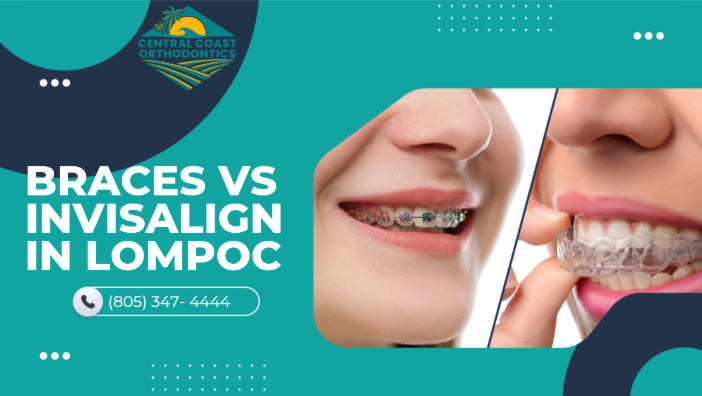
Table of Contents Braces My Favorite Parts About Braces What You Should Consider Invisalign Why Patients Like Invisalign What You Need To Keep In Mind And So, What Should You
Table of Contents Start With The Right Consultation Preparing Your Teeth Impressions of Your Teeth Getting Your Braces On Living with Braces Day to Day How Long Does It Take?